


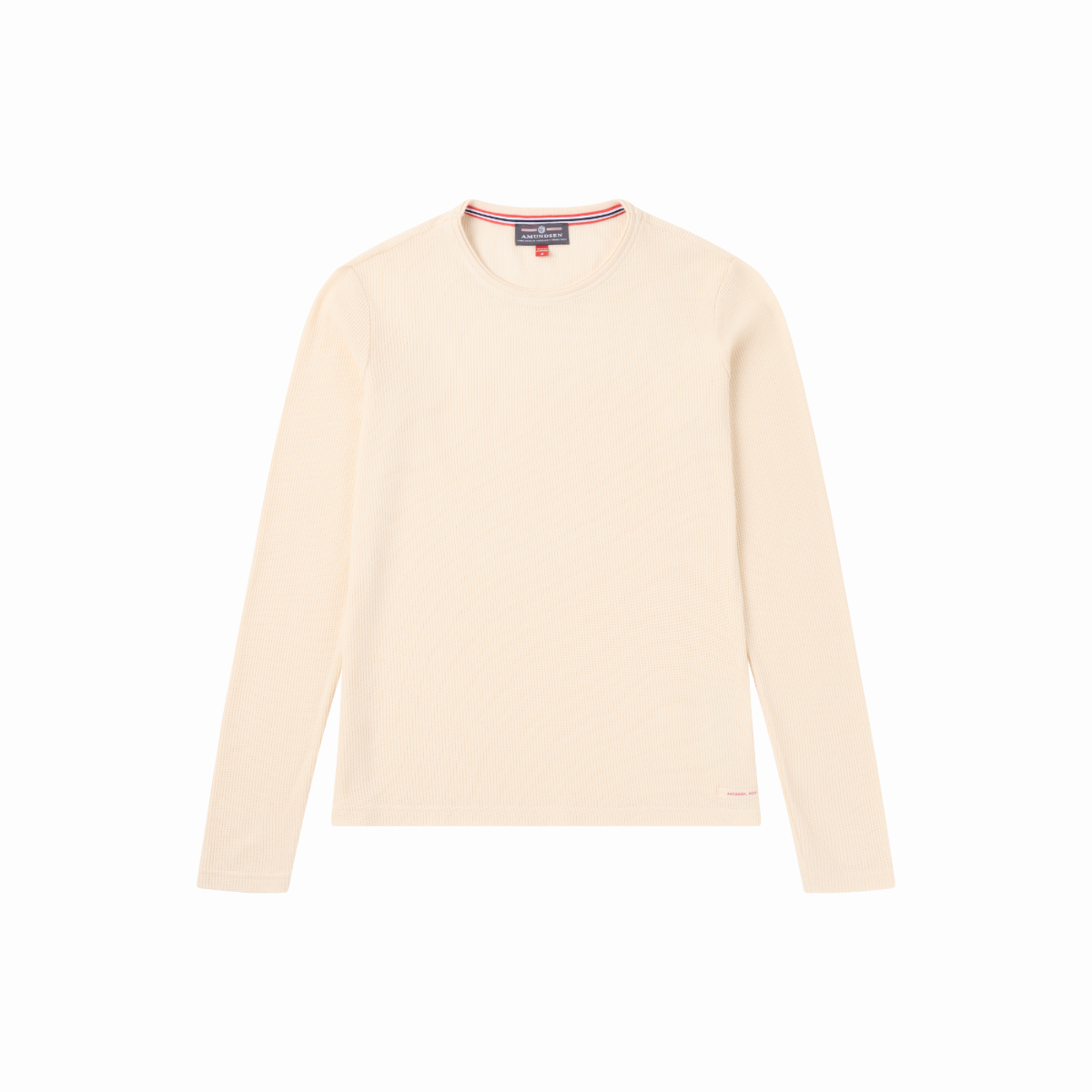
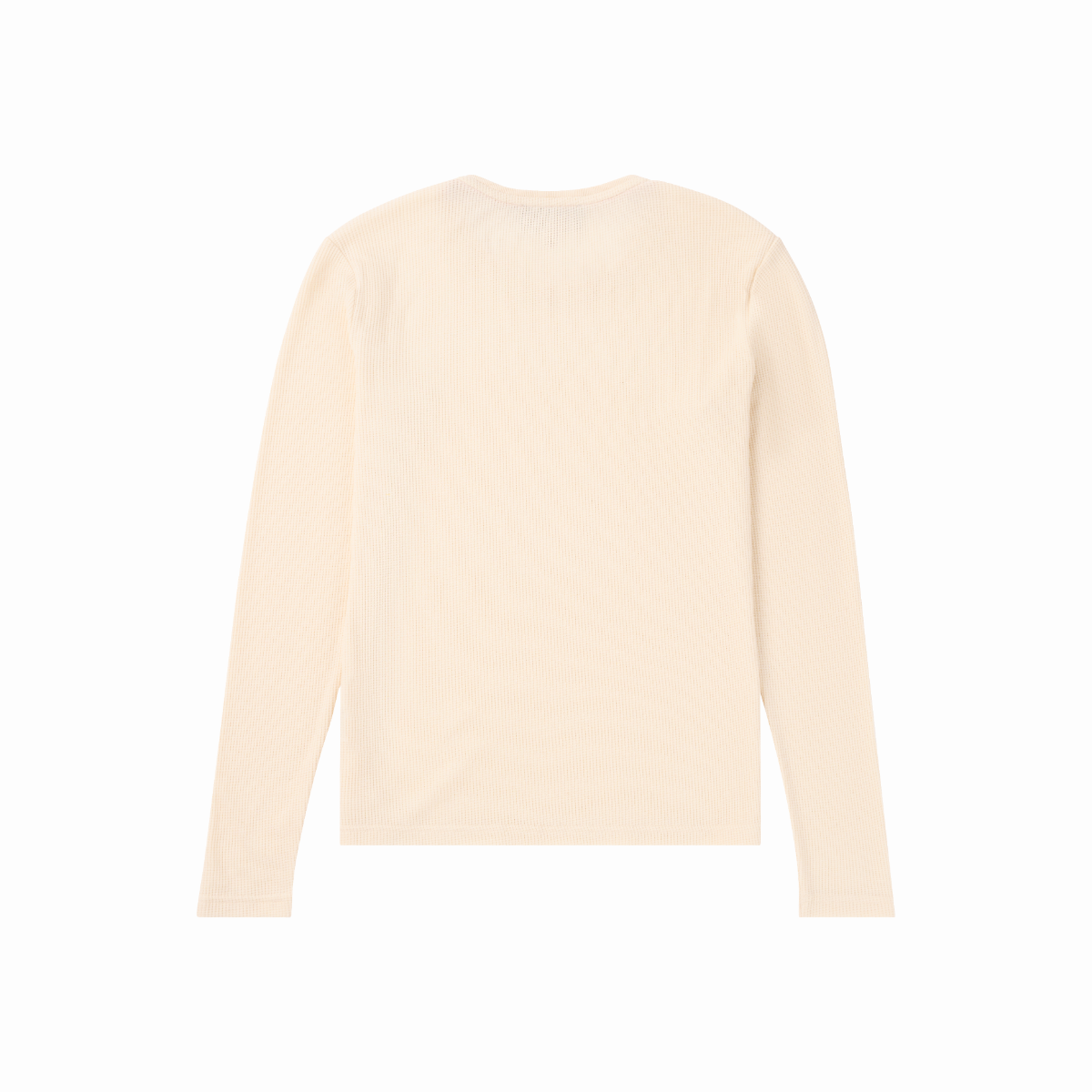
During the 1930s and '40s, "milk casein" fiber was all the rage in America and Europe, found in clothing and household items alike. This fabric, similar to rayon or viscose (made from wood pulp), mimicked wool thanks to its regenerated protein fibers. It was a soldier's best friend during times of wool shortages, but fell out of favor after WWII with the rise of cheaper synthetics like nylon. The blend of cotton and milk casein in this fabric also offers superior skin comfort, moisture absorption, and natural antibacterial properties. Other highlights include a handy Amundsen Oslo Tab, ribbed collar details, and a split side seam for ease of movement. Perfect for hiking, everyday wear, fishing, boating, travel, picnics, and outdoor adventures.
This product is a sample
Cotton/Milk casein jersey
Amundsen Oslo Tab on right side
Rib collar details
Split side seam
Regular fit
Long sleeves
Soft comfort
Made in Europe
50% Organic Cotton / 50% Viscose Milk Casein
2-Way Stretch
Milk Casein:
In World War II, when there was a shortage of natural fibers due to wartime demands, scientists created milk casein fibers as a substitute for traditional textiles. Made by wet spinning, these fibers use milk protein and can be used for clothing and bandages, offering a soft, silky and eco-friendly solution during the scarcity of conventional fabrics.
These size guides are provided by Amundsen Sports
Cord shorts and pants slack overtime compared to deck or field shorts and pants that remain the same.
Women’s Clothing |
XS |
S |
M |
L |
XL |
|
Chest (cm) |
80-85 |
86-91 |
92-97 |
98-103 |
104-110 |
|
Sleeve (cm) |
58 |
59.5 |
61 |
62.5 |
64 |
|
Seat (cm) |
89 |
94 |
99 |
105 |
111 |
|
Waist (cm) |
64 |
69 |
74 |
80 |
86 |


Perpetual Mountains
ESSENTIAL LAYERS FOR ELEVATED LIVING
"This is mountain life at its most alive — where the air is thin, the rivers cold, and the gear as adaptable as the terrain. Here, our iconic checked flannel zips alongside soft fleece sweaters, field-ready mid layers, and super-light anoraks that pack down between summits. Worn over milk protein tees and long sleeves, these pieces are made to match the rhythm of long hikes, chilly mornings, and warm rocks in the sun. Built for summer above the treeline —where comfort meets function, and every layer earns its place."